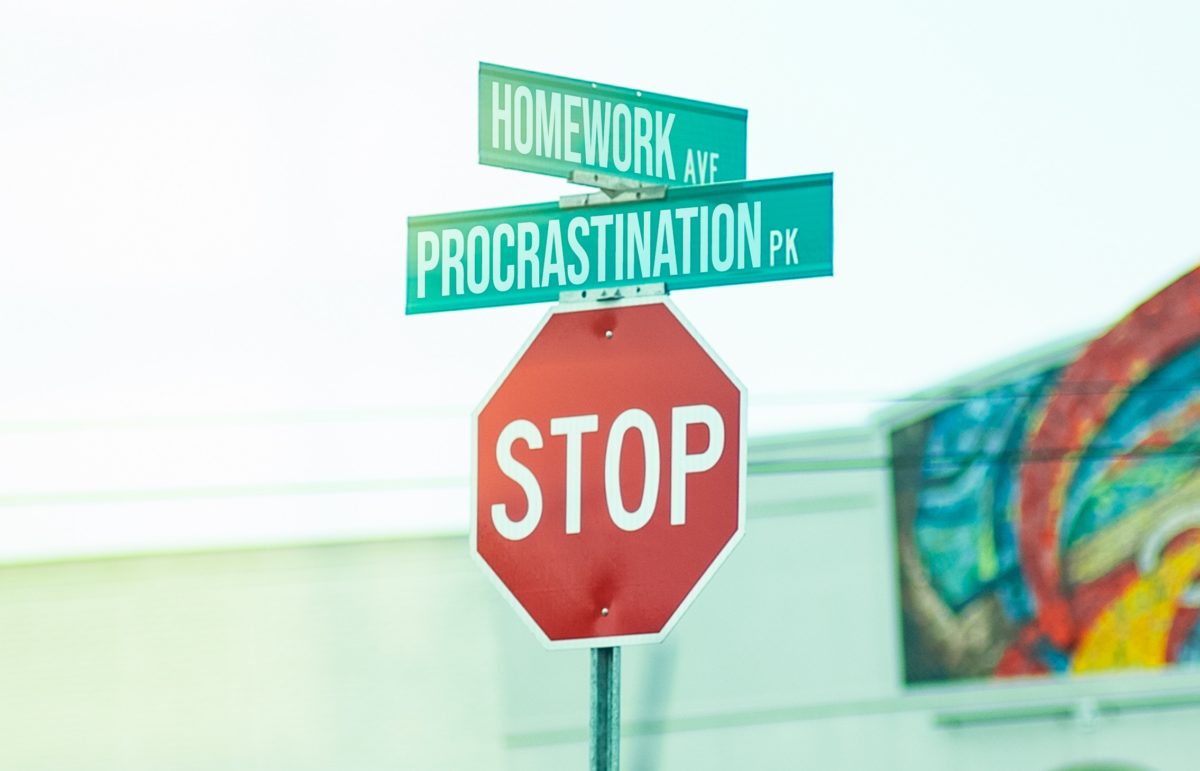
Procrastination is the bad habit of putting off until the day after tomorrow what should have been done the day before yesterday. – Napoleon Hill
Procrastination is the thief of time and the time is one of the most valuable resources we won’t get back. I had learned this in some crucial moments in my life when I procrastinated.
Fortunately, I managed to meet the deadlines and complete my tasks, even if it was done in the last minute.
Just a few of the examples when I could have screwed my work due to procrastination. I finalized my license thesis in the printing office 2 hours before having to submit the paper and I could have missed the admission to the Master degree. Many times at work I started submitting a project in the last 10 minutes before a deadline (was on the edge of missing out because sometimes the steps were more complicated than I had them calculated and my hard work, of sometimes few weeks, could easily be wasted).
Did I learn my lesson? Neah….
I decided to change things and I recently took a course on Udemy on how to stop procrastination.
You will find here the lessons and steps I found appropriate in order to overcome procrastination.
Why are we procrastinating?
I believe that we procrastinate because the task we have to do is overwhelming and we are afraid of failure. We might say that “well, I want it to be good, I want it to be perfect”. But saying so, we are not doing our work and we are putting off in showing up because then we might be judged and it will suck. It’s an excuse we find for we don’t trust ourselves and our own resources/skills.
There are few cognitive biases that hold us back in taking action on the things we should take action on and so we procrastinate for:
– We favor the simple and complete rather than complex and ambiguous. But many times life is not simple and we have to lean into uncertainty and just take the first step.
– We avoid irreversible decisions because we want to maintain the status quo. It might be that taking a certain decision will take us forward in life. We just have to asses the consequences, be aware of the bias and take the action.
– We tend to complete things that we have invested time and energy into. We have to do proactive planning and prioritization because there can be other things more important and more urgent in life that need our attention.
– We favor the immediate, relatable thing. We tend to go for the things that are in front of us and have an immediate pay-off. However, many times the long term things have a much higher pay-off and we have to be aware of the time invested in tasks, what’s the big picture and what we will get from tackling that thing that is in our procrastination list.
– We need to know that our efforts will make an impact in order to start. However, many times we tend to underestimate things and the time needed to invest in finalizing a task. Be fearless, start taking action but also ask if the effort is worth in the long term.
Procrastination is a habit and will always be there but it’s a force to be tamed. There are a few things we can practice to move ahead and do the things that are on our procrastination list:
1. Powerful routines:
– Act on getting up within 2 seconds. Change the pattern, don’t hit the snooze button because you have 1-2 seconds until new thoughts come into your mind and change your intention. You might use inspiring music or the one that energizes/motivates you as your alarm clock.
– Immediately drink a glass of water. Even mild dehydration can alter a person’s mood, energy level, and ability to think clearly, according to studies conducted at the University of Connecticut’s Human Performance Laboratory.
– Set boundaries around your morning. Take you-time in the morning to exercise. Exercise eliminates procrastination because you feel energized and ready to go through your daily agenda. Exercise increases the level of dopamine in your body that affects learning, attention, and motivation. Also, the serotonin level goes up and this enhances your mood and self-esteem (you go into your day with a better attitude). If you can’t exercise in the morning integrate exercise later into your day but don’t skip it!
– Design your day around the most productive hours. Figure out what is your “golden zone of productivity” and work accordingly.
– Capture ideas, thoughts, and plans. Between 60.000 – 80.000 thoughts per day cross our minds and sometimes we need to note down in order to not forget or be anxious we will forget.
– Enhance rest. Sleep for ideally 8 hours/day because lack of rest can bring to lack of focus, fatigue, and irritability.
2. Passive motivation techniques:
– Remove temptations. A perfect way to fight procrastination is to create an environment that causes you to be focused.
– Objects of inspiration. Clear your desk of clutter that might distract you and have things that motivate and inspire you (a picture with the loved ones, a note, etc)
– Notes to self. Feed your brain with good stuff, you will become more powerful and the procrastination won’t kick in.
– Visualization. Be aware of the body-mind connection and try to influence that in a positive way. Your personality causes your reality! Your thoughts and feelings will cause you to behave in a certain way so it’s important to have positive thoughts and visualize big goals that inspire you.
– Speeches and motivational videos. When you are feeling down watch some motivational videos to find inspiration.
3. Planning and prioritization:
“What is important is seldom urgent and what is urgent is seldom important.” – Eisenhower
Create to-do lists and decision matrix, for instance:
A= must do
B=should do
C=nice to do
D=can be delegated
E=eliminate
It will help you get more productive, see where you should put your efforts into and what small tasks you have to get rid of in order to fight procrastination.
4. Execution.
Don’t fail to act and take the first step: start working for 5 minutes and there are very big chances that you will finalize the task you’ve been procrastinating for.
5. Attitude.
We have the power to interpret our “failures” and move on. We have the power to decide what meaning we make out of the situations and events we come across.
Therefore, our attitude defines the actions we will take or not take, affects our perception of the world and the things we think we can do or can not do.
Anxiety and blocking beliefs can prevent us from going ahead and doing the things we have to do. We can bring awareness by slowing down, meditating or simply taking a break for a walk or a bit of stretching. By becoming mindful we will address the thing that is underneath and acknowledge the stress. Mindfulness also gives us a choice in what to do next in order to refocus and work on the things we are procrastinating.
I mentioned that procrastination is a thief of time but we can keep that thief out of our lives with self-awareness, self-love, and action. By becoming sustained in our habits, looking after ourselves, treating ourselves with self-care and practicing some simple routines will influence what and how we will do in life.
How do you fight procrastination?
What are your strategies when you realize you are avoiding to do certain things that you supposed to do?