One’s destination is never a place, but a new way of seeing things. – Henry Miller
Why visiting Marrakech?
Visiting Morocco without going for a few days (at least 3 days) in Marrakech is like visiting Paris without going to see the Eiffel Tower. It’s a must!
When you are there, you have two options: you either like it or you are overwhelmed and you hate it.
I visited Morocco from the North, Tangier, down to the south in the desert and Marrakech is still one of my favorite spots in Morocco.
You might ask why?
Well, it has a special charm, a warmth (not only the many plus degrees Celsius), but people are also somehow different than in the rest of the country, and the food…wow, the food!
A thing is certain: Marrakech will shock every sense you have.
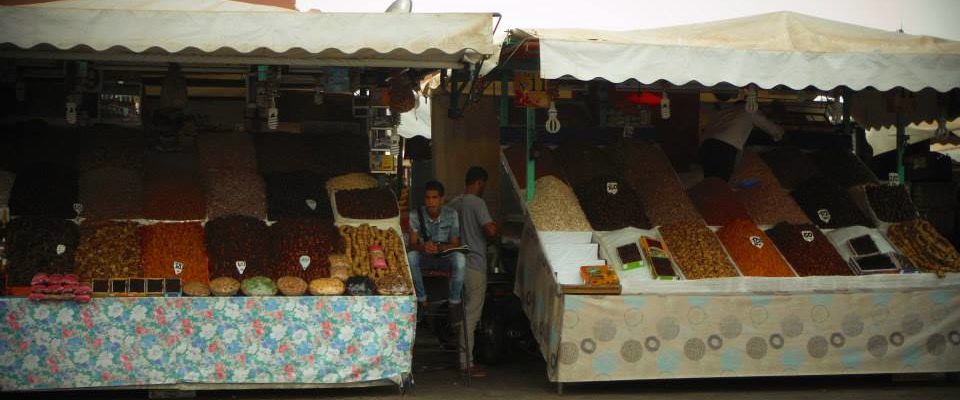
The call to prayer (five times per day), the persistent hand gestures and calls of the men who run shops in souks, the buzz of the motorcycles, and many times the low of the donkeys will strike your ears. The smell of the incenses that tries to cover up the smell of leather bags and shoes and the carts pulled through the medina day and night mold a specific odor. The almond cookies and the beautifully, artfully, stacked olives, the colorful condiments, and spices coned shaped are a delight for eyes.
Marrakech is a city that will confuse you, frustrate you, and most important delight you. I’m telling you, be prepared to be dazed!
The best accommodation – a riad
To enjoy the city and all its offerings, and to get a sense of its energy you should stay for 3 days. From where to start?
First and foremost with the accommodation and where to stay if not into a riad. A riad is a type of traditional Moroccan house or palace with an interior garden or courtyard.
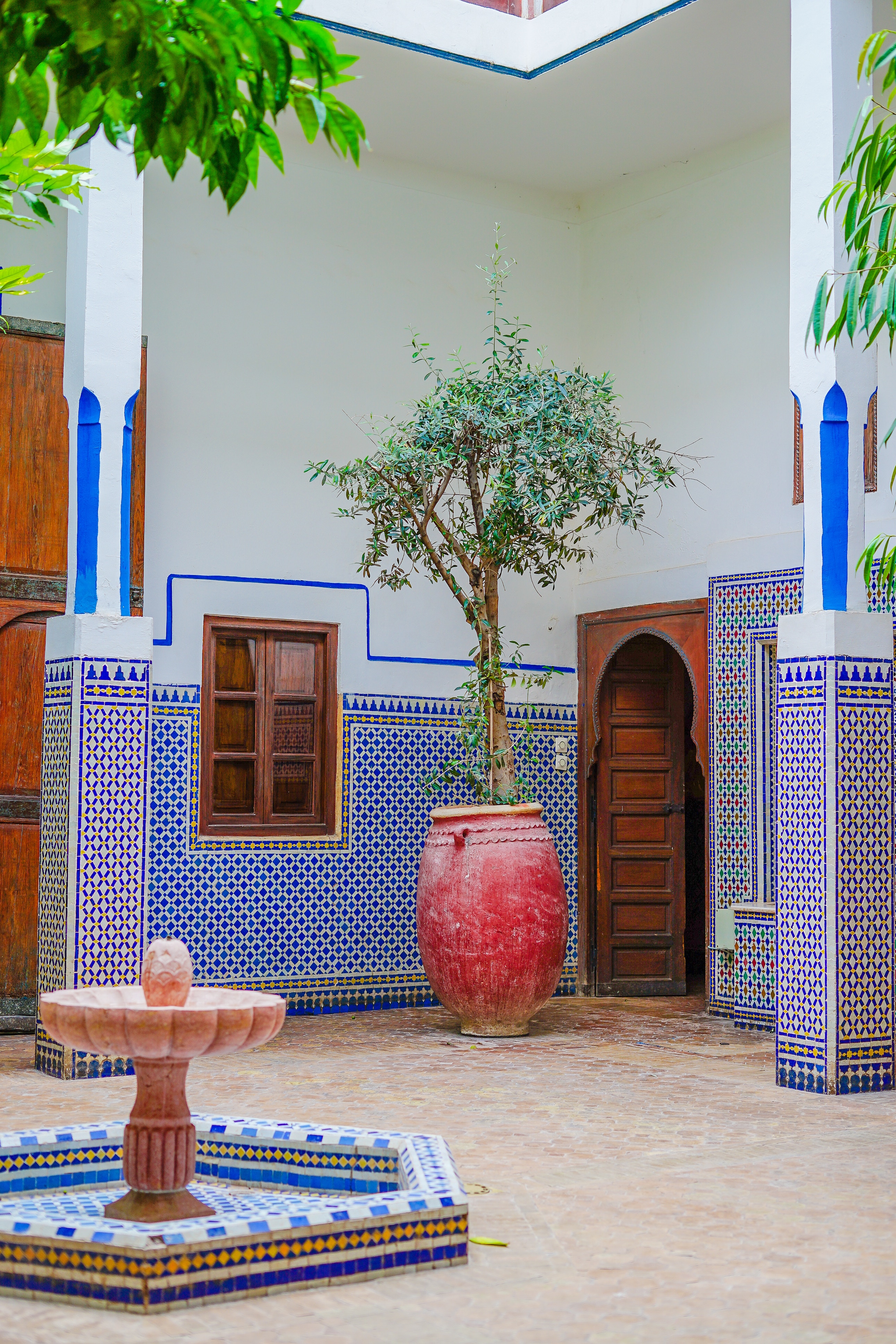
One of the best things about visiting Marrakech is that the price to quality ratio is in your favor. You can find a riad with 20 -25 Eur a night and if you have more money to spend and want to be spoiled in some really fancy places then try a riad for a few hundred Eur.
After you checked into your riad, explore the city’s most central sights, stop for lunch or dinner and mint tea. If you arrive in Marrakech during the day try to get lunch somewhere on a rooftop with view over medina (the old city) and avoid being out in the sun during the midday (in the hot months: June, July, August the temperature goes above 48 degrees- it’s burning!).
Jemaa el-Fnaa
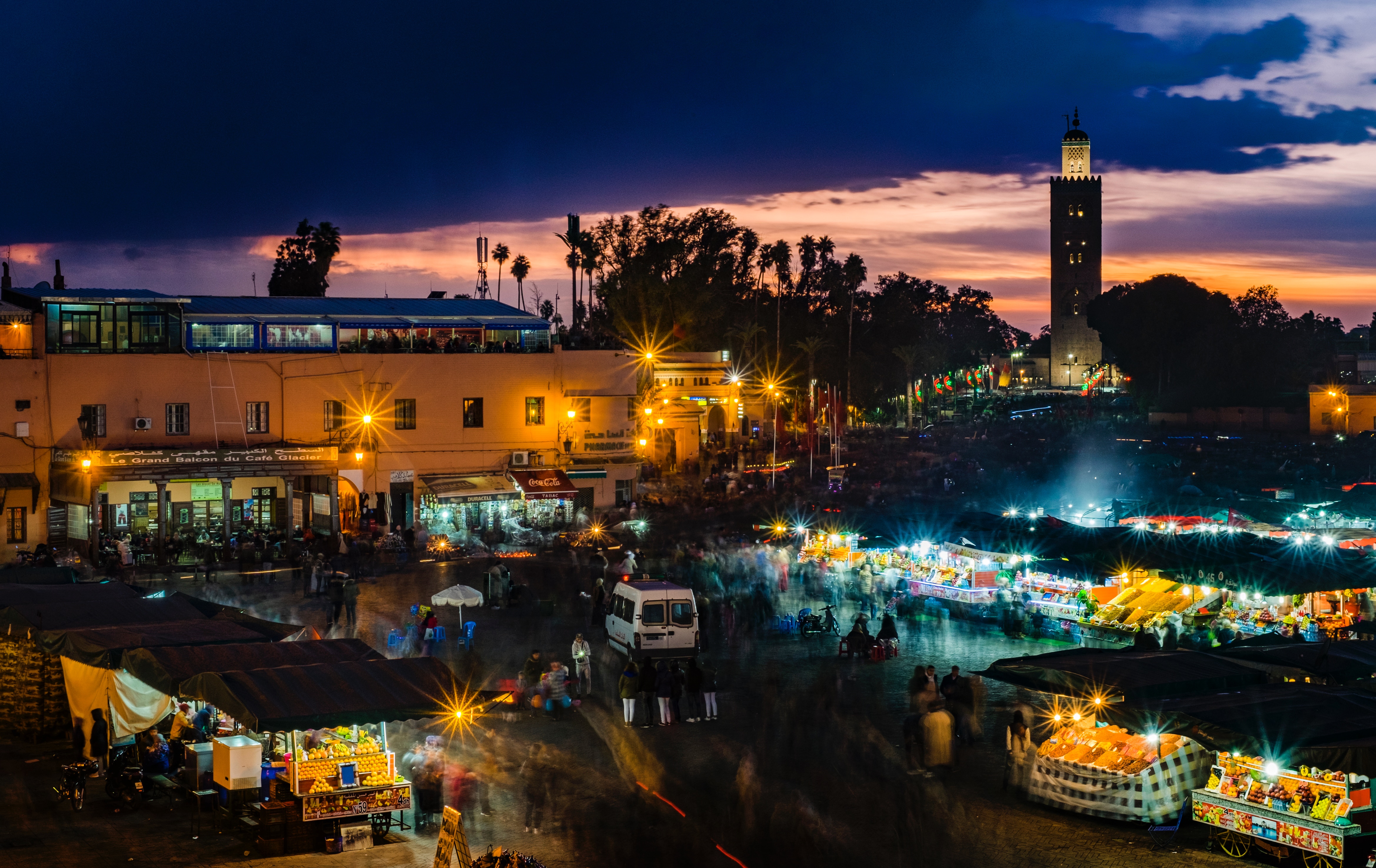
I would say the point zero of the city is the crowded square of Jemaa El-Fnaa that is worth seeing both during the day and during the night. Be prepared though, there you will find the best and the worst of Marrakech. However, it’s a must-see as it’s a Masterpiece of World Heritage by UNESCO since 2001.
Imagine a place with lots, lots of people (both locals and tourists), food stalls, dancers, musicians, snake charmers, monkeys who have been snatched from the wild to pay tricks, laddies grading your hand to give you a henna tattoo at an exorbitant price, merchants calling you for a freshly made orange juice or a bowl with boiled snails.
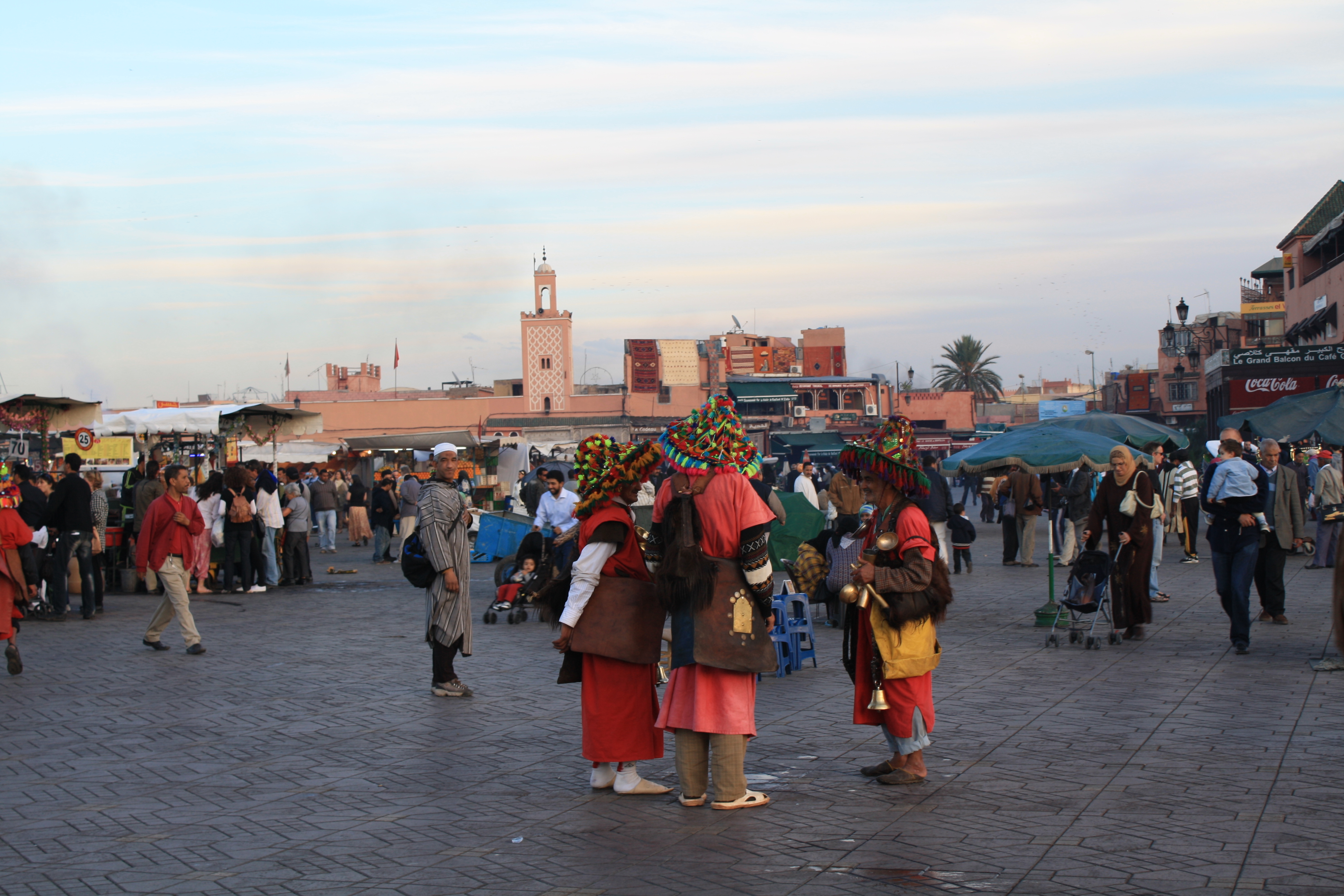
Did I mention you will find all this in one single square? Ah, I did. Now it’s your time to let the imagination flow.
You should take a tour of the square and then go to one of the terraces to enjoy a cup of the Moroccan mint tea and have a panoramic view of the square. Avoid taking pictures, of course to save yourself a headache, of the snake charmers, henna ladies and do not allow anyone to hand you their monkeys or put over your head a traditional heat. You will undoubtedly be asked to pay! Just say no and move on (you will have to do it if you want to survive in Morocco and be left with some money on you).
If you eat meat then you should definitely try “mechoui”- whole roasted lamb and mutton that are sold by weight and requires no more seasoning than salt and cumin. I took my brother to eat mechoui and now when he thinks of Morocco he tells me he wants to go to Marrakech to eat lamb head.
A piece of friendly advice while in Morocco: eat where you see locals eating, they know the places where the food is at its best and isn’t pricey.
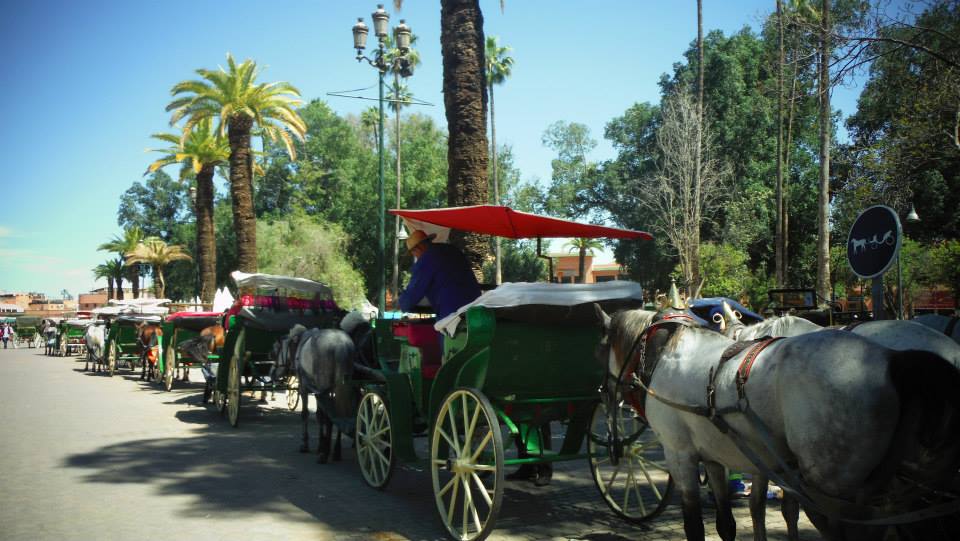
Around Jemaa El-Fnaa you will find horse-drawn carriages who are more than happy to take in a short tour around Marrakech. Again, bargain to get a fair price as there are big chances they will try to inflate the rates.
The Souks
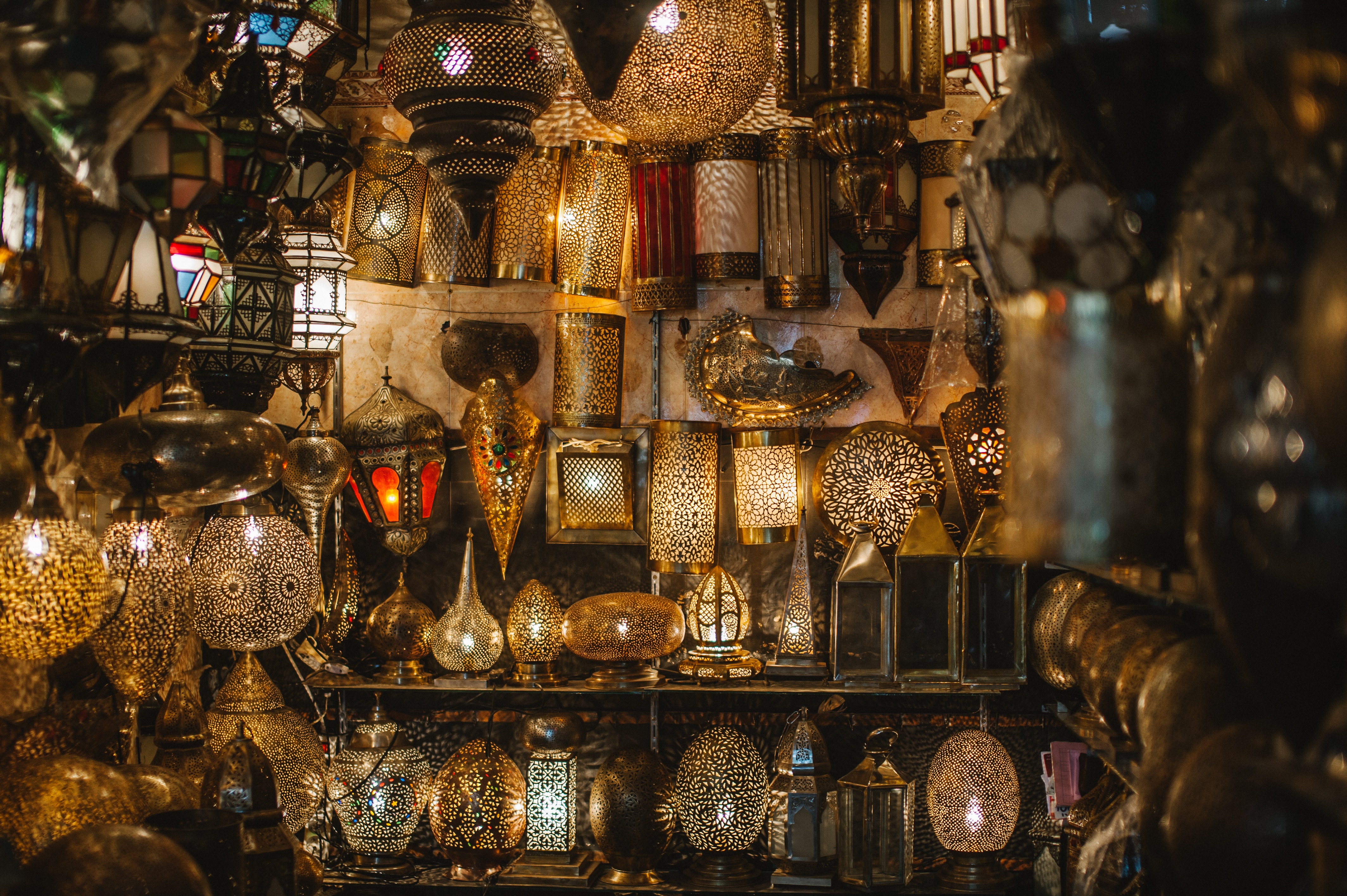
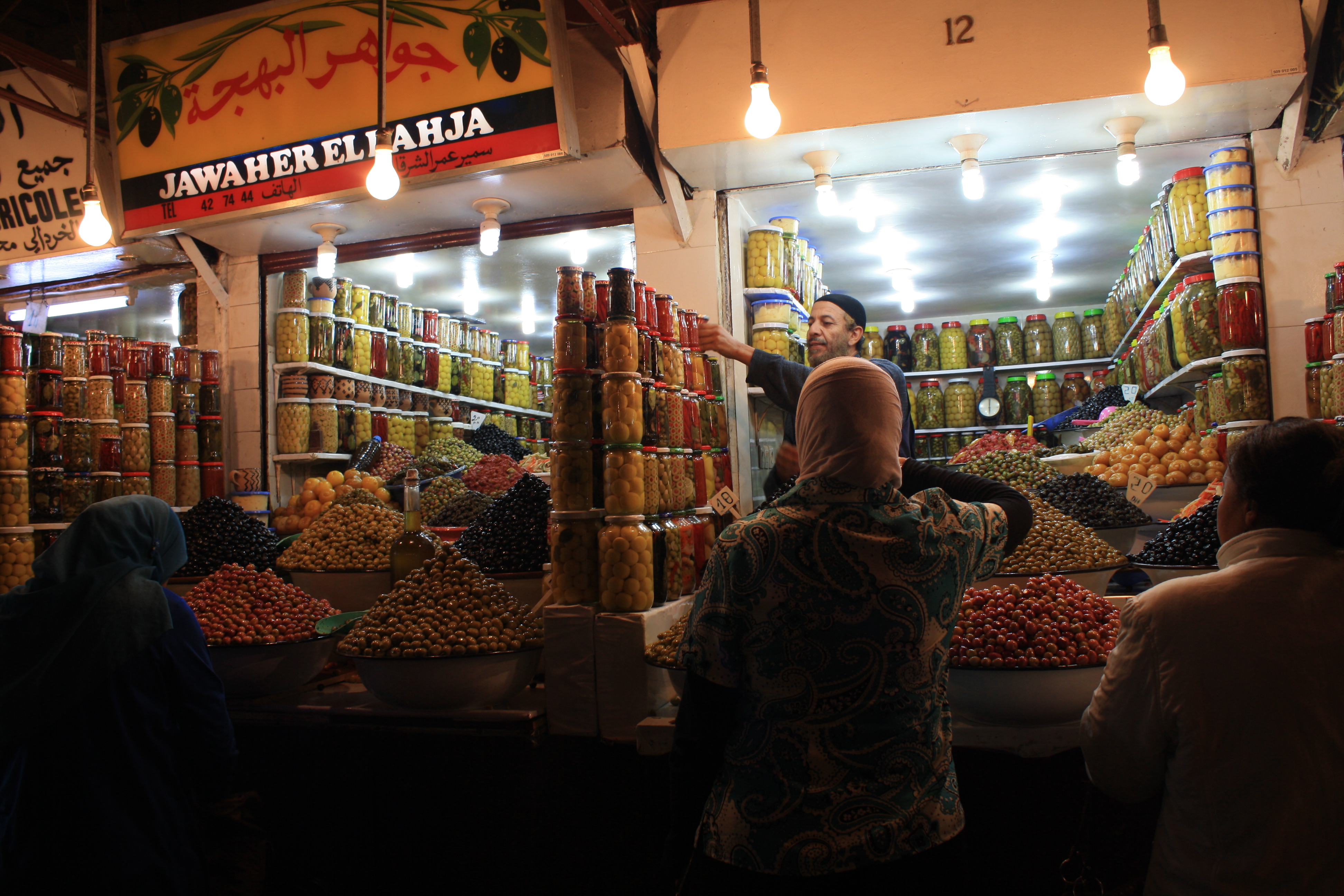
The souks are marketplaces and bazaars that sell a variety of goods (and when I say variety think of almost everything that can be sold: food, jewelers, clothes, drinks, home decor objects, artisanal objects, leather accessories, cosmetics, electronics, etc). In Marrakech, the souks are entire streets built like mazes that are filled with shops of all types and sizes.
I think everybody who went to the souks from medina in Marrakech got lost, at least once. Don’t rely on your phone GPS, have some landmarks in mind when you enter a souk.
Of course, you are expected to bargain! When you see something and you really like it don’t show your enthusiasm (but also, don’t be rude) just ask for the prices. You should always go down at least 30%. If the vendor is too insistent, just mention you will have a look around and maybe come back later and walk away politely.
Usually, you will find the same kind of product in a few other places. Ask in more places for the price, check the quality and take a decision. However, most products from the souk in Marrakech are made in small factories around or artisans and there are very low chances you will find something brought in from China or markets alike.
If accepting a tea in a shop will likely embolden the vendor to demand you to make a purchase. So, be aware of this! It happened to me when I first came to Morocco…never again!
If you don’t like something you should not feel guilty or shy to refuse the vendor. Say thank you (soukran in Darija, Moroccan Arabic) and walk away.
Shopping in the souk in Marrakech is fun and I recommend leather bags, leather shoes, leather wallets, plates, tajine, lamps, argan oil, scarfs.
Koutoubia Mosque
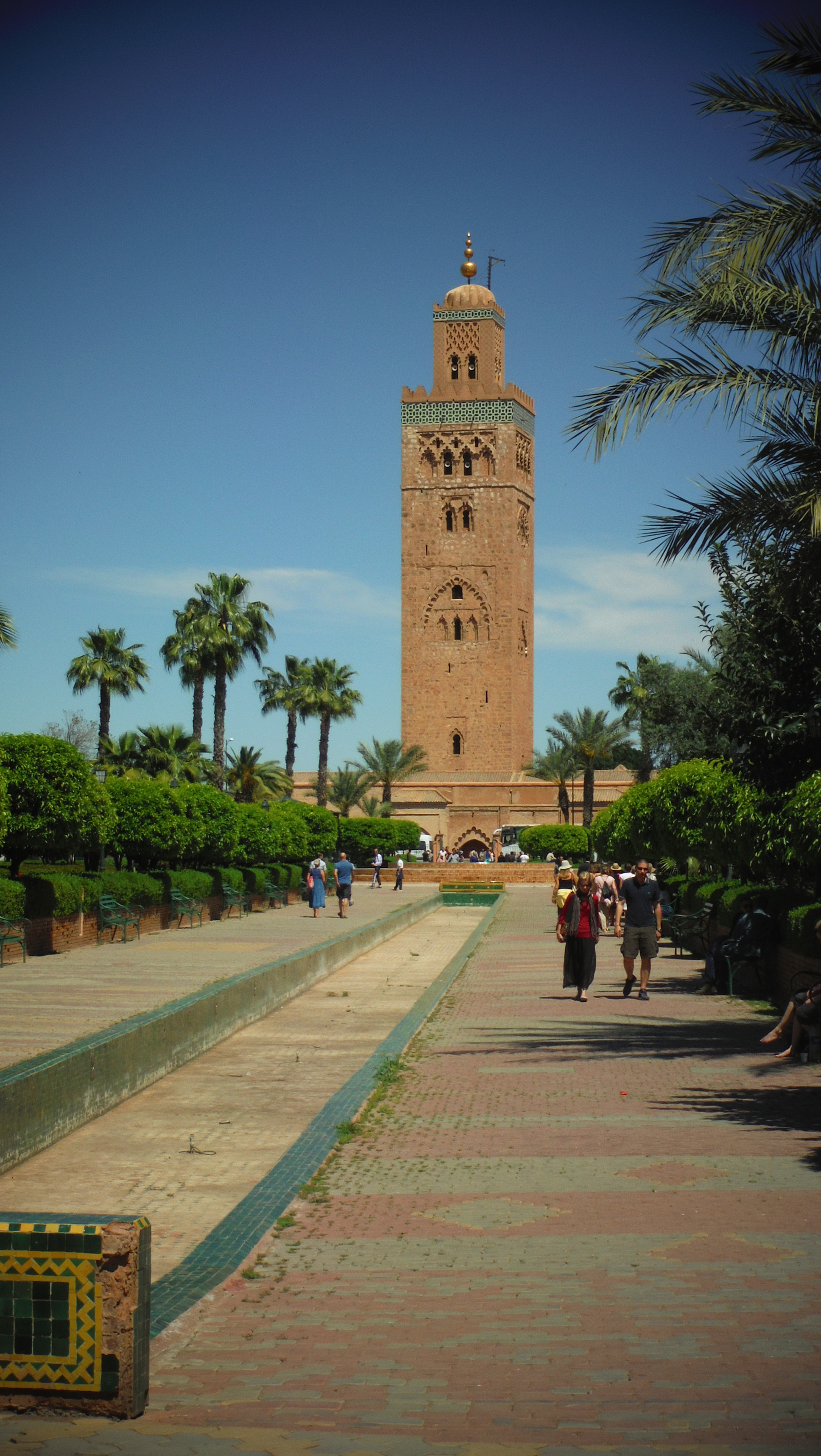
Even though non-Muslims are not permitted to enter mosques in Morocco, Koutoubia is worth seeing it from outside. You can stay in the park nearby, at the shadow of an olive tree.
Built at the height of the Islamic Golden Age, the beautifully ornate Koutoubia Mosque is an architectural achievement. Its minaret is 69 m high and is the tallest building in Marrakech.
After it was built, hundreds of booksellers gathered around its base giving the mosque its name “Koutoubia” which is booksellers in Arabic.
Koutoubia Mosque is an important monument and a much-needed point of reference for the puzzling alleyways of the medina.
El Badi Palace (Palais El-Badii)
El Badi Palace literally translates to “the incomparable palace” that was built at the end of the sixteenth century by the Sultan Ahmed al-Mansour to commemorate the victory of the Battle of the Three Kings against the Portuguese.
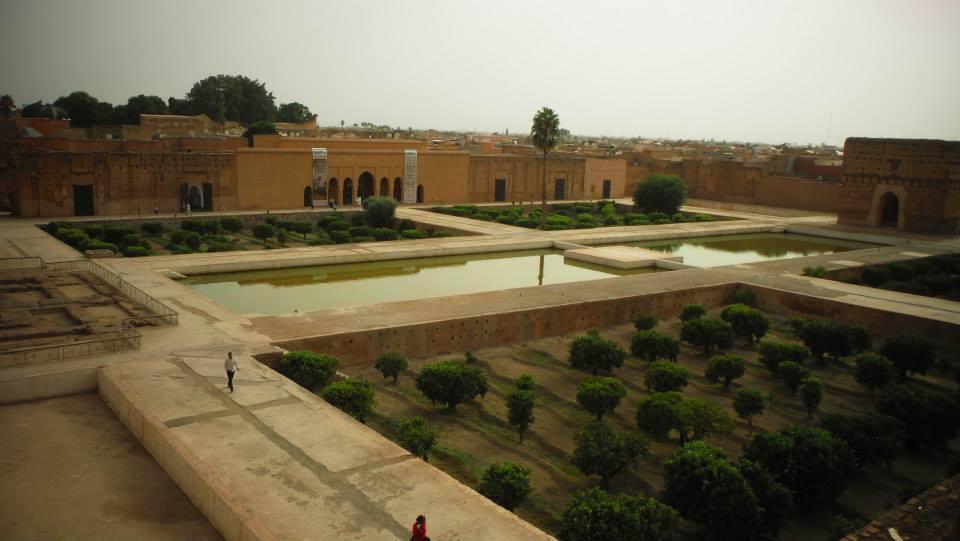
Since it’s currently a ruined palace, we have to trust the enormous size of the patio and historians to get an idea of how it was when it had just been constructed. It took 15 years to be built and it had 360 rooms, decorated with handcrafted furniture, rich in gold, crystal, onyx, Italian marble, and exquisite tile mosaics.
Its enormous ruined courtyard will give you an idea of the building’s splendor. With a bit of imagination, you can travel back in time and be mesmerized by the Saadian era.
It’s located at 900 m south of Jemaa el-Fnaa and the price of the ticket is 70 dirhams.
Bahia Palace
The palace of Bahia which means “the palace of the beautiful, the brilliant” is a 19th-century masterpiece. Bahia Palace is in a remarkable condition, the most well-preserved historic monument in Marrakech and one of the main places of tourism in Morocco. Also, is one of the major monuments of the country’s cultural heritage.
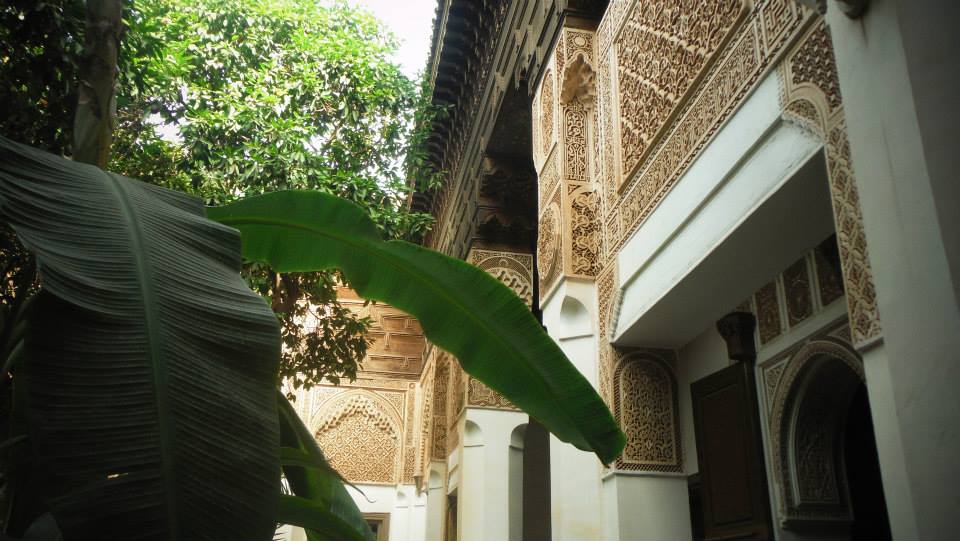
It has over 150 rooms and sometimes the royal family of King Mohamed VI stays there is a private part of the palace. It’s richly decorated with marble, carvings, and paintings on beech and cedar wood, stucco, zeolite, the first stained glass windows of the Maghreb with many refreshing green courtyards/gardens planted with orange, banana, cypress, hibiscus and jasmine trees and irrigated by khettaras.
It a must-see for any visitor that comes to Morocco whether you have 24 hours or 3 days in Marrakech. You have to see it with your own eyes and indulge in an unforgettable experience.
Menara Garden
If feeling like the crowdedness of the city is getting too much for you and the sun it’s too strong then you need a break. Walk 3 km from Koutoubia Mosque or taxi a small taxi (for 15-20 dirhams) to reach a beautiful botanical garden with countless olive trees and a pool (artificial lake) full of carp. You can even take some bread with you to feed the carp, they love the bread.
Around the central basin, you can sit on a platform and admire the pavilion facing the mountains of the Grand Atlas.
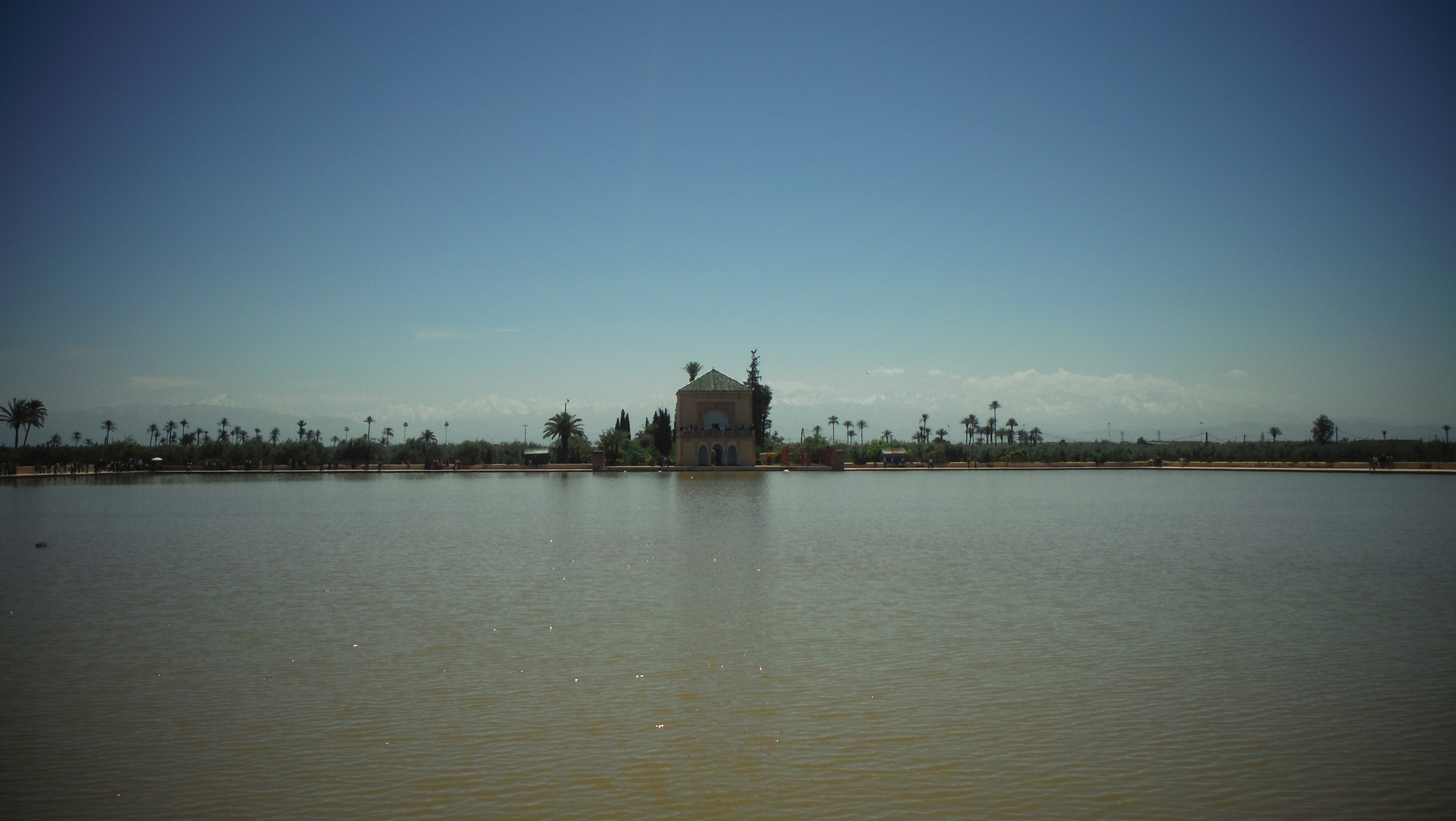
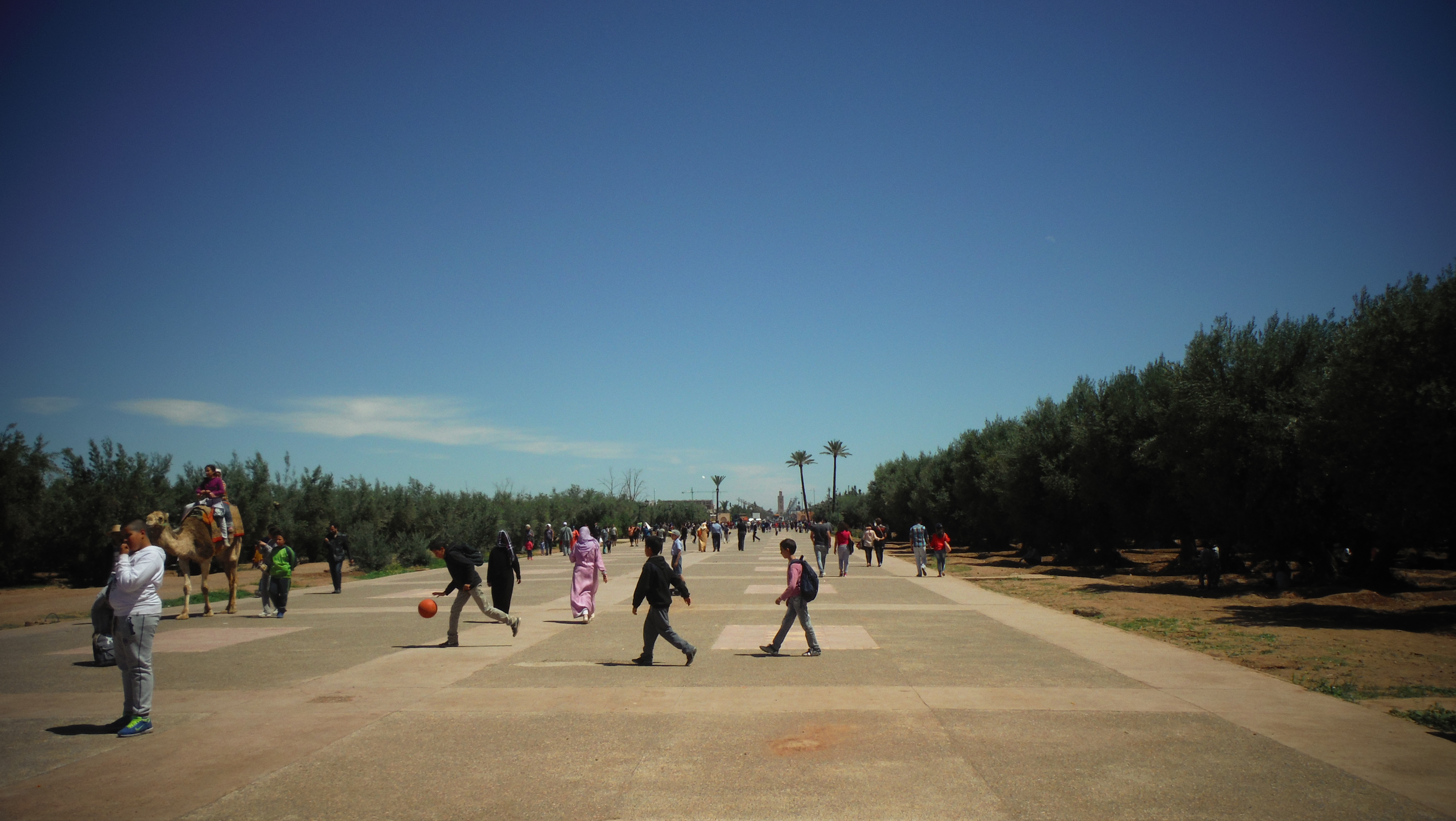
The park is a favorite destination for Moroccan families, especially on weekend and you won’t see so many European tourists as in Majorelle Garden or the palaces from the medina.
Like Jemaa el-Fnaa and the gardens of Agdal (another beautiful garden to see), Menara Gardens are classified as “World Cultural Heritage” by UNESCO. The entrance in the garden is free of charge.
Jardín Majorelle
This garden is one of the most visited sites in Marrakech and it took Art Deco painter Jacques Majorelle forty years of passion and dedication to create this enchanting garden. Actually, he ended being more known for the garden rather than his paintings. Garden Majorelle was later bought and renovated by fashion designer Yves St. Laurent.
The garden is most famous for the hue of its walls, an intensely vibrant cobalt blue that’s now called Majorelle blue.
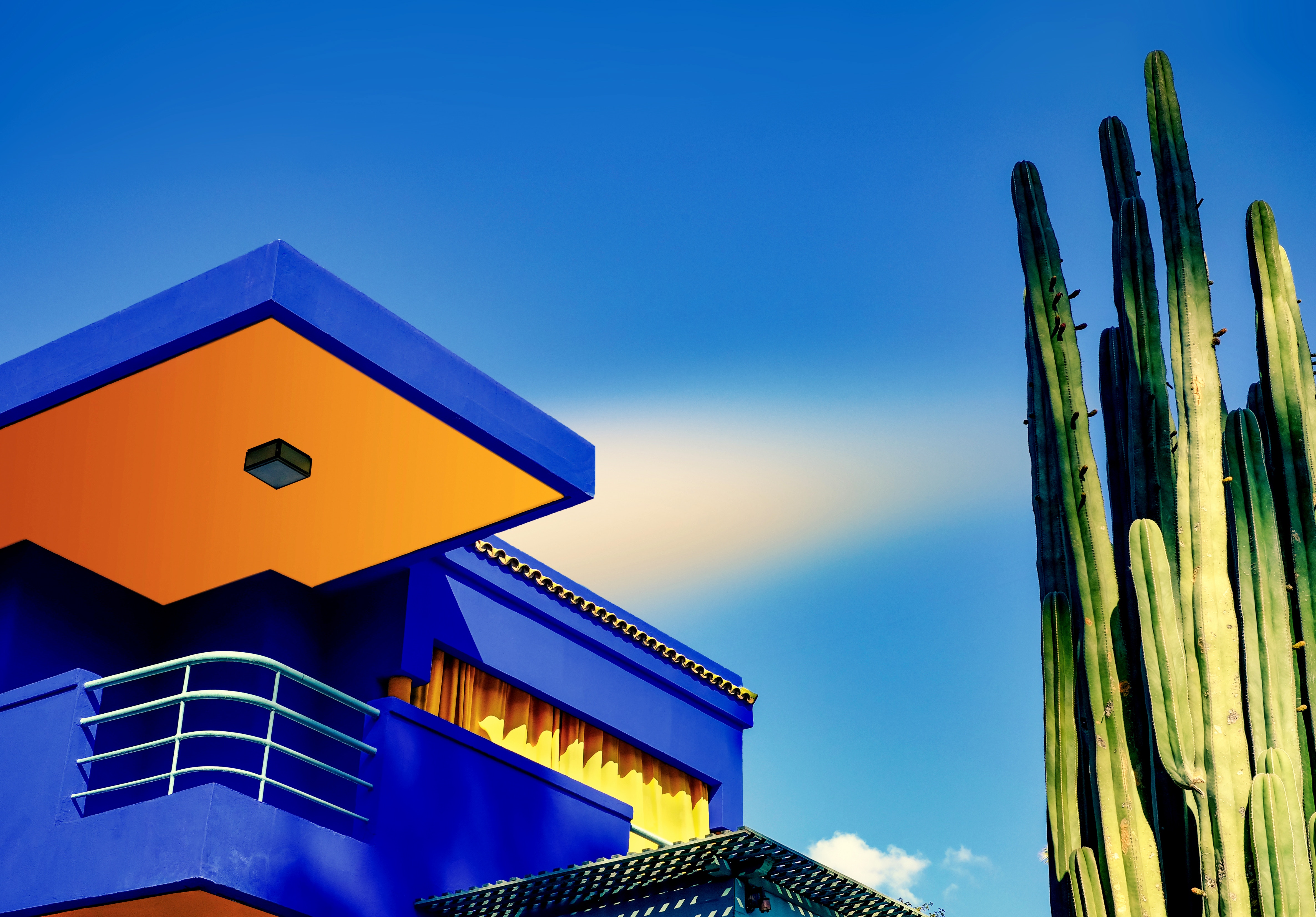
The garden is open every day of the year, and besides sitting back, relaxing, and enjoying the scenery you can also have a beverage and a light lunch.
Well, if you are the kind of person that doesn’t like too much being in a place where are mostly only tourists than go for another garden. There are plenty in Marrakech and many of them are free, unlike Majorelle where you have to pay for the ticket 30 dirhams.
What else can you do while in Marrakech?
Marrakech is considered the touristic capital of Morocco and this is because the city itself has so many to offer. In plus, the position of Marrakech makes it easy to reach many other important touristic sites from Morocco and it’s very well connected, via the flights, with most European cities and capitals.
Still in doubt? Come and check the splendor of this city by yourself!
Have you already been there? What did you like the most? Please comment below!