“So much has been given to me, I have no time to ponder over that which has been denied” – Helen Keller.
The significance of gratitude
This statement is the ultimate hallmark of a grateful person. Helen Keller was deaf and blind. She was an American author, political activist, and lecturer and the first deaf-blind person to earn a bachelor of arts degree.
Reading through her biography I found out that even though blind and deaf, Helen Keller had passed through many obstacles and she learned to live with her disabilities. She learned how to tell which person was walking from the vibrations of their footsteps.
“If the only prayer you say in your life is ‘thank you’, that would suffice” – Eckhart Tolle
Research shows gratitude heightens the quality of life
When you focus on what can be considered as your blessings in life, you tend to be happier, healthier and you experience a deeper sense of fulfillment. Robert Emmons, the world’s leading scientist expert on gratitude, found out that people who practice gratitude report a host of benefits.
One study separated people into three groups and asked them to maintain a journal of their daily lives. While a group was told to record their unpleasant experiences other group had to make a daily list of things for which they were grateful. The third group that served as the control group, had to record events without being told specifically to write about either good or bad things.
The results of the study indicated that daily gratitude exercise resulted in positive effects on physical health, on psychological well-being, and on their relationship with others.
The “gratitude group” had the following outcomes:
By being grateful we affirm that there are good things in the world, gifts, and benefits we’ve received. This doesn’t mean the life is perfect, it’s doesn’t ignore complaints, burdens, and hassles. But when we look at life as a whole, gratitude encourages us to identify some amount of goodness in our life.
“Gratitude implies humility – a recognition that we could not be who we are or where we are in life without the contributions of others” – R. Emmons
The ones that practice gratitude recognize the sources of the goodness as being outside of themselves. They appreciate positive traits in themselves but acknowledge that other people or higher powers give them many gifts, big and small, and help them achieve the goodness in their lives.
Being grateful in challenging situations and noticing each day’s gifts
When things don’t go our way how could we feel grateful? When dreams fail or when we lose someone it’s almost impossible to be thankful, right? Yes, we know the positive effects of an attitude of gratefulness, but practicing it feel like going against our emotions.
Well, we should remember that every difficulty carries within it the seeds of an equal or greater benefit. In the face of adversity, we shall ask ourselves: “What’s good about this?”, “What can I learn from this?”, and “How can I benefit from this?”.
There is a gratitude exercise that instructs that you should imagine losing some of the things you take for granted, such as your home, your ability to see or hear, your ability to walk, or anything else that currently gives you comfort. Then imagine getting each of these things back, one by one, and consider how grateful you would be for each and every one.
5 Ways to become more grateful
You can train your mind to remain thankful by:
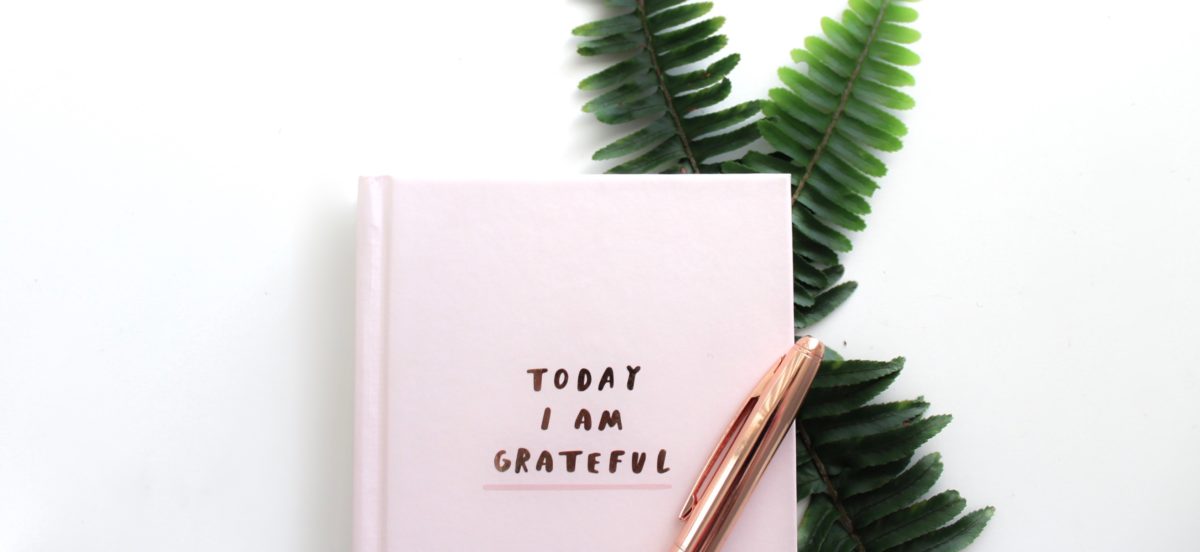
1. keeping a journal: establish a daily or weekly practice in which you remind yourself of the gifts, grace, benefits, and good things you enjoy. It’s easy to lose track and focus on the negativities. This list will keep the positive at the forefront of your thoughts.
2. remembering the bad: looking back on past challenges that you’ve overcome will inspire you and give you more confidence about the future. When you remember how difficult life used to be and how far you have come, you set up an explicit contrast in your mind that will give you strength.
3. making a vow to practice gratitude: write your vow, that could be: “I vow to count my blessings each day” and post it somewhere where you can see it every day. Research shows that making a promise to perform a behavior increases the likelihood that the action will be executed.
4. going through the motions, which include: smiling, saying ‘thank you’, and showing kindness to those less fortunate. Helping others makes you feel thankful for your blessings and makes you appreciate your capacity to help.
5. thinking outside the box: if you want to make the most out of opportunities, you must creatively look for new situations and circumstances in which to feel grateful.
The transformative effects of gratitude on people’s lives
Gratitude allows us to celebrate the present – we notice the positives more and that magnifies the pleasures we get from life. When we appreciate the value of something, we extract more benefits from it and it’s less likely we take it for granted.
Gratitude blocks toxic, negative emotions – when we are grateful we can’t envy someone for having something we don’t. Envy, resentment, regret are emotions that can destroy our happiness. Also, gratitude reduces the frequency and duration of episodes of depression.
Gratitude helps people be more stress-resistant – a grateful disposition helps us recover more quickly from serious trauma, adversity, and suffering.
Gratitude helps people have a higher sense of self-worth – once we recognize the contributions that other people have made in our lives and that they have seen value in us we will transform the way we see ourselves.
I have heard many times the benefits of gratitude on our lives but I never took the time to read facts backed up by science until now, when I wanted to write this article.
Did I get to make you see the benefits of practicing gratitude? Will you do it more often?
Why not starting now? What are you grateful for today?